
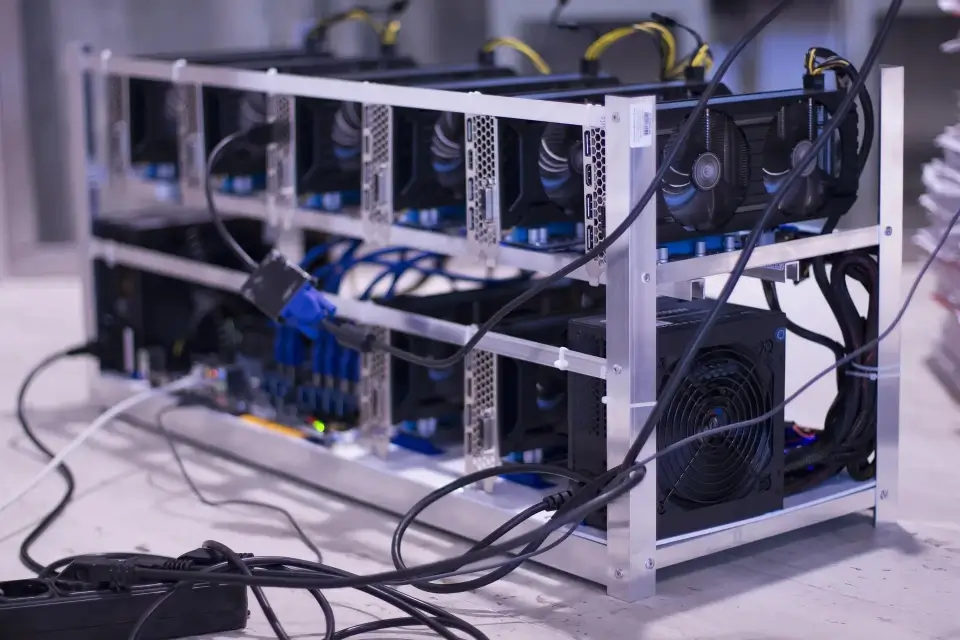
In 2026, Bitcoin mining is becoming more energy-efficient, institutionally backed, AI-optimized, and geographically diversified. However, miners face tighter regulations, higher competition, post-halving revenue pressure, and growing sustainability demands.
Bitcoin mining is no longer just about plugging in machines and earning rewards. It’s an advanced, capital-intensive industry shaped by global policy, energy markets, ASIC innovation, and network difficulty. Whether you’re an individual miner or a large-scale operator, understanding the upcoming trends and challenges in 2026 is critical to staying profitable.
Institutional Investment Is Reshaping Bitcoin Mining
In 2026, institutional capital continues to flow into mining infrastructure, bringing stronger compliance standards, large-scale facilities, and professional management practices.
Publicly listed mining firms are expanding operations in energy-rich regions, focusing on long-term power contracts and grid partnerships. Countries like the United States, United Arab Emirates, and Kazakhstan remain strategic hubs due to regulatory clarity and competitive energy pricing.
Why it matters: Retail miners now compete with enterprise-grade infrastructure. Efficiency, hosting partnerships, and equipment selection are more important than ever.
Post-Halving Profitability Requires Smarter Strategies
Following the 2024 Bitcoin halving, block rewards reduced to 3.125 BTC, intensifying competition and shrinking mining margins in 2026.
With reduced rewards, profitability depends heavily on:
-
Low electricity costs
-
High-efficiency ASIC hardware
-
Optimized uptime
-
Strategic hosting environments
Miners searching for the best crypto miners are prioritizing high hash rate-to-power ratio models from manufacturers like Bitmain and MicroBT to stay competitive.
Reality check: In 2026, inefficient hardware simply cannot survive sustained high difficulty levels.
Energy Efficiency and Green Mining Are Non-Negotiable
Bitcoin mining in 2026 is defined by energy intelligence. Governments, investors, and ESG-focused institutions are demanding transparency in power sourcing.
Renewable-powered mining farms using solar, hydro, flare gas recovery, and nuclear-backed grids are becoming standard. Regions with surplus energy are actively attracting mining firms to stabilize local grids.
Large mining farms in the Dubai and across the UAE are increasingly integrating sustainable infrastructure models aligned with national clean energy visions.
The challenge: Transitioning to renewable energy requires capital investment and technical planning, which smaller miners may struggle to implement independently.
AI and Automation Are Optimizing Mining Operations
Artificial Intelligence is playing a bigger role in mining farm management in 2026. From predictive maintenance to automated cooling optimization, data-driven operations reduce downtime and increase ROI.
Mining farms now rely on:
-
Smart load balancing
-
Real-time thermal analytics
-
AI-based fault detection
-
Automated firmware optimization
This shift separates professional mining operations from hobby setups. The miners who treat operations like data centers outperform those relying on manual management.
Global Regulations Continue to Evolve
Regulatory clarity is improving in some regions while tightening in others. In 2026, governments are focusing on taxation, environmental impact disclosures, and grid consumption rules.
Countries that once banned mining are reconsidering their stance under controlled frameworks. Meanwhile, transparent jurisdictions are offering licensing structures to attract foreign capital.
For miners, this means:
-
Understanding compliance requirements
-
Evaluating political risk
-
Choosing stable jurisdictions
Strategic hosting in crypto-friendly regions reduces unexpected shutdown risks and operational disruptions.
Bitcoin Mining Difficulty and Network Hashrate Are Increasing
The Bitcoin network’s total hashrate continues to reach new highs in 2026, reflecting industrial-scale expansion.
Higher difficulty means:
-
Lower BTC rewards per terahash
-
Greater competition
-
Longer ROI timelines
This makes hardware efficiency and energy costs even more critical. Investing in outdated ASICs is no longer viable unless paired with extremely low electricity rates.
Miners must calculate breakeven costs carefully and factor in future difficulty growth when projecting profits.
Crypto Mining Hosting Services Are Becoming the Smartest Entry Point
In 2026, many investors prefer mining hosting services over building independent facilities.
Why?
-
Access to bulk electricity rates
-
Professional cooling infrastructure
-
On-site technical teams
-
Regulatory compliance support
If you’re planning to scale or enter the industry, this guide on how to choose the best Bitcoin mining hosting service for long-term profitability explains the key factors to evaluate.
Industry trend: Hosting providers with transparent pricing, uptime guarantees, and renewable energy sourcing are gaining investor trust.
Cooling Technology Is Rapidly Advancing
Heat management remains one of the biggest technical challenges in 2026.
Innovations include:
-
Immersion cooling systems
-
Liquid cooling retrofits
-
Advanced airflow architecture
Immersion setups significantly extend hardware lifespan while improving performance stability. Although initial setup costs are higher, long-term maintenance savings often justify the investment.
Large-scale farms increasingly adopt liquid-cooled ASIC models to maximize density per square meter.
Geographical Diversification Reduces Risk
Mining is no longer concentrated in one region. In 2026, operators strategically distribute hashpower across multiple countries.
Benefits include:
-
Reduced political risk
-
Diversified energy exposure
-
Business continuity planning
This decentralized approach aligns with Bitcoin’s core philosophy while protecting miners from regional disruptions.
Enterprise miners now evaluate geopolitical stability as carefully as electricity pricing.
Hardware Innovation Continues to Push Efficiency Limits
ASIC manufacturers are racing to release next-generation chips with better joules-per-terahash performance.
Modern models from companies like Canaan and industry leaders continue to shrink energy consumption while boosting output.
However, hardware upgrades must align with:
-
Market cycle timing
-
Electricity costs
-
Hosting infrastructure capability
Blindly upgrading without ROI modeling can extend payback periods instead of improving profitability.
Key Challenges Bitcoin Miners Face in 2026
Despite technological progress, mining remains a high-risk, high-reward industry.
Major challenges include:
-
Rising network difficulty
-
Volatile Bitcoin price cycles
-
Regulatory unpredictability
-
Infrastructure costs
-
Equipment supply chain constraints
Professional risk assessment and long-term strategy planning are no longer optional — they are essential.
The Road Ahead: Strategic, Sustainable, Scalable
The future of Bitcoin mining in 2026 belongs to operators who combine:
-
High-efficiency ASIC hardware
-
Smart energy sourcing
-
Regulatory awareness
-
AI-driven operations
-
Strategic hosting partnerships
Mining is evolving from speculative activity into structured digital infrastructure.
Those who approach it with data-backed decisions, proper risk management, and reliable suppliers will remain competitive even as difficulty increases.
Final Thoughts
Bitcoin mining in 2026 is more sophisticated, regulated, and competitive than ever before. Profitability depends on efficiency, sustainability, and strategic location choices.
Whether you’re scaling an industrial farm or entering the market for the first time, success comes down to smart equipment selection, reliable hosting, and long-term operational planning.
The opportunity remains strong — but only for miners prepared to adapt.