
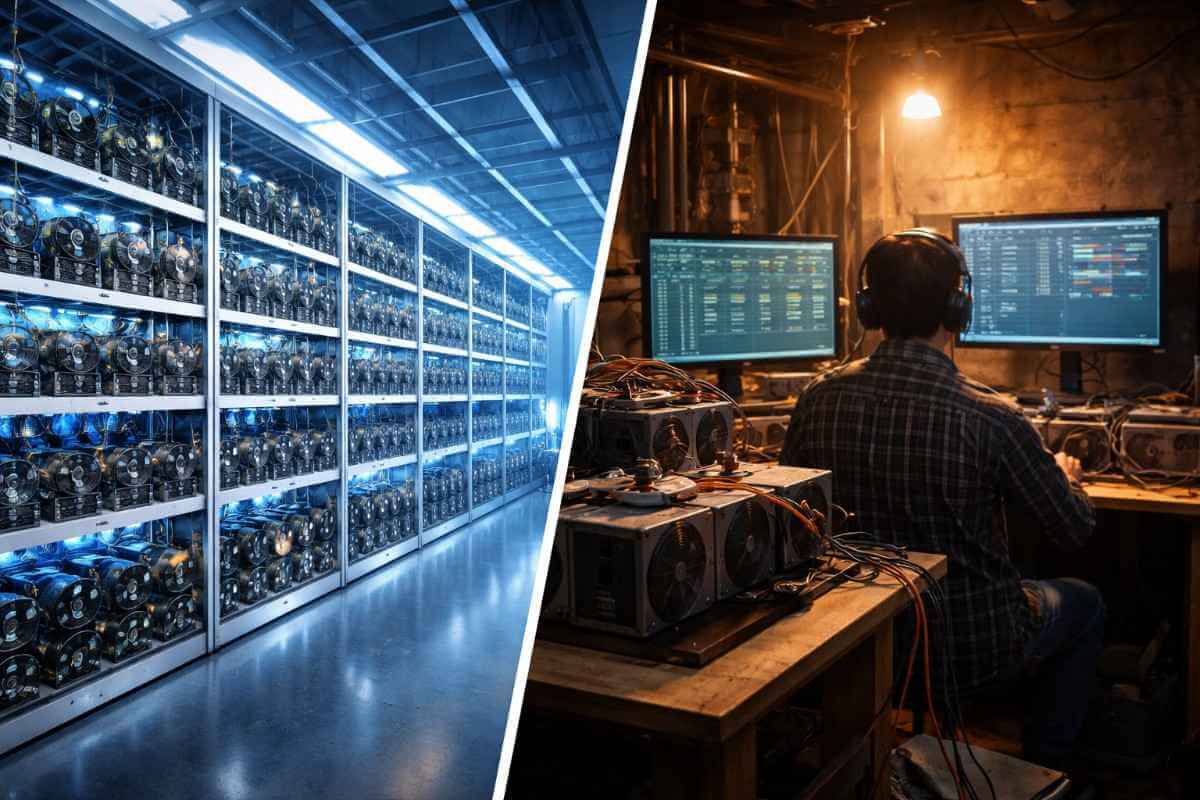
Crypto hosting is generally more profitable for most miners in 2026 due to lower operational costs, better uptime, and scalable infrastructure, while self mining offers higher control but involves significant upfront investment and ongoing maintenance risks.
What Is Crypto Hosting and How Does It Work?
Crypto hosting allows miners to place their ASIC machines in professional data centers where electricity, cooling, maintenance, and uptime are managed efficiently for optimized mining performance and predictable returns.
Crypto hosting, also known as crypto mining hosting, involves renting space in specialized facilities built for mining operations. These facilities provide stable electricity, high-speed internet, advanced cooling systems, and technical support. Instead of managing everything yourself, your mining rigs run remotely under expert supervision, reducing downtime and operational stress.
This model is especially beneficial for global miners facing high electricity costs or regulatory restrictions. With crypto hosting solutions, you gain access to industrial-grade infrastructure that’s difficult to replicate at home or small-scale setups.
What Is Self Mining and Who Is It Best For?
Self mining means setting up and operating your own mining hardware at home or in a private facility, giving you full control but also full responsibility for costs, maintenance, and uptime.
In self mining, you purchase ASIC miners, install them, manage cooling, and handle electricity usage independently. While this offers autonomy, it also requires technical expertise and constant monitoring. Challenges like overheating, power outages, and noise can impact performance and profitability.
Self mining is best suited for experienced miners with access to cheap electricity and proper infrastructure. Without these advantages, maintaining consistent returns becomes difficult compared to bitcoin mining hosting alternatives.
Cost Comparison: Which Option Requires Lower Investment?
Crypto hosting reduces upfront and operational costs significantly, while self mining demands high initial investment in hardware, setup, electricity infrastructure, and cooling systems.
Setting up a mining operation independently involves costs like ASIC purchase, power setup, ventilation systems, and ongoing electricity bills. These expenses can quickly escalate, especially in regions with high energy tariffs.
In contrast, bitcoin miner hosting providers offer all-inclusive packages, allowing miners to pay predictable monthly fees. This cost efficiency is a major reason why many miners are shifting toward crypto hosting instead of building personal setups.
Profitability Factors: What Impacts Your ROI?
Profitability depends on electricity cost, uptime, mining difficulty, hardware efficiency, and maintenance—areas where crypto hosting typically outperforms self mining due to optimized infrastructure.
Mining profitability is not just about owning hardware; it’s about how efficiently it runs. Downtime, overheating, or unstable electricity can drastically reduce earnings. Hosting providers optimize these variables through advanced mining farm infrastructure, ensuring maximum uptime and performance.
If you’re exploring deeper insights into hosted mining benefits, check this detailed guide on asic mining hosting benefits to understand how infrastructure impacts ROI.
Scalability: Which Option Grows Faster?
Crypto hosting offers seamless scalability, allowing miners to expand operations quickly without worrying about space, power, or cooling limitations.
Scaling a self mining setup requires additional investment in space, electrical capacity, and cooling systems. This becomes increasingly complex and expensive as you grow.
With scalable mining hosting, you can simply add more machines to your hosting plan. Providers handle the infrastructure expansion, making it easier to grow your mining operation efficiently and profitably.
Maintenance and Downtime: Who Handles the Risk?
Crypto hosting minimizes downtime through professional maintenance, while self mining exposes you to higher risks of technical failures and interruptions.
In self mining, any hardware failure or network issue must be resolved by you, often causing delays and lost mining rewards. Even minor disruptions can impact profitability over time.
On the other hand, crypto hosting solutions include on-site technical teams that monitor and fix issues promptly. This ensures consistent uptime, which directly contributes to higher mining efficiency and earnings.
Electricity Costs: The Biggest Profit Driver
Electricity cost is the most critical factor in mining profitability, and crypto hosting typically provides access to cheaper energy compared to residential or commercial setups.
Mining at home often involves high electricity rates, which can significantly reduce profit margins. In some cases, electricity costs can exceed mining rewards.
Hosting providers strategically locate their facilities in regions with low-cost energy sources. This advantage makes bitcoin mining hosting far more profitable for miners who cannot access cheap electricity locally.
Security and Reliability: Which Is Safer?
Crypto hosting offers enhanced security with industrial-grade facilities, while self mining setups are more vulnerable to theft, damage, and inconsistent performance.
Professional hosting centers use advanced security systems, including surveillance, restricted access, and fire protection. This ensures your mining equipment is safe and continuously operational.
In contrast, self mining setups at home or small facilities may lack these protections, increasing the risk of hardware loss or operational disruptions.
Control vs Convenience: What Matters More?
Self mining gives full control over operations, while crypto hosting prioritizes convenience and efficiency, making it ideal for miners focused on passive income.
If you prefer hands-on management and customization, self mining may appeal to you. However, this comes with increased responsibility and time commitment.
For most users, especially beginners and investors, crypto hosting provides a hassle-free experience. You focus on earnings while experts handle the technical side.
Risk Analysis: Which Option Is More Stable?
Crypto hosting reduces operational risks and provides predictable performance, while self mining carries higher uncertainty due to variable costs and technical challenges.
Market volatility affects both methods equally, but operational stability differs. Hosting ensures consistent performance through optimized conditions.
Self mining, however, introduces unpredictable variables like equipment failure, rising electricity costs, and environmental factors, making profitability less stable over time.
Real-World Profitability Comparison (2026 Trends)
In 2026, most miners report higher net returns from crypto hosting due to lower overhead costs and improved efficiency compared to self mining setups.
Industry trends show a growing shift toward hosted mining models. Large-scale operations dominate the market, leveraging economies of scale that individual miners cannot easily achieve.
With increasing mining difficulty and competition, crypto hosting is becoming the preferred choice for both beginners and experienced miners aiming for consistent ROI.
Final Verdict: Crypto Hosting vs Self Mining
Crypto hosting is more profitable for most miners due to cost efficiency, scalability, and reduced operational risk, while self mining is only advantageous for those with cheap electricity and technical expertise.
If your goal is long-term profitability with minimal hassle, crypto hosting solutions offer a clear advantage. However, if you have access to low-cost power and want full control, self mining can still be viable.