
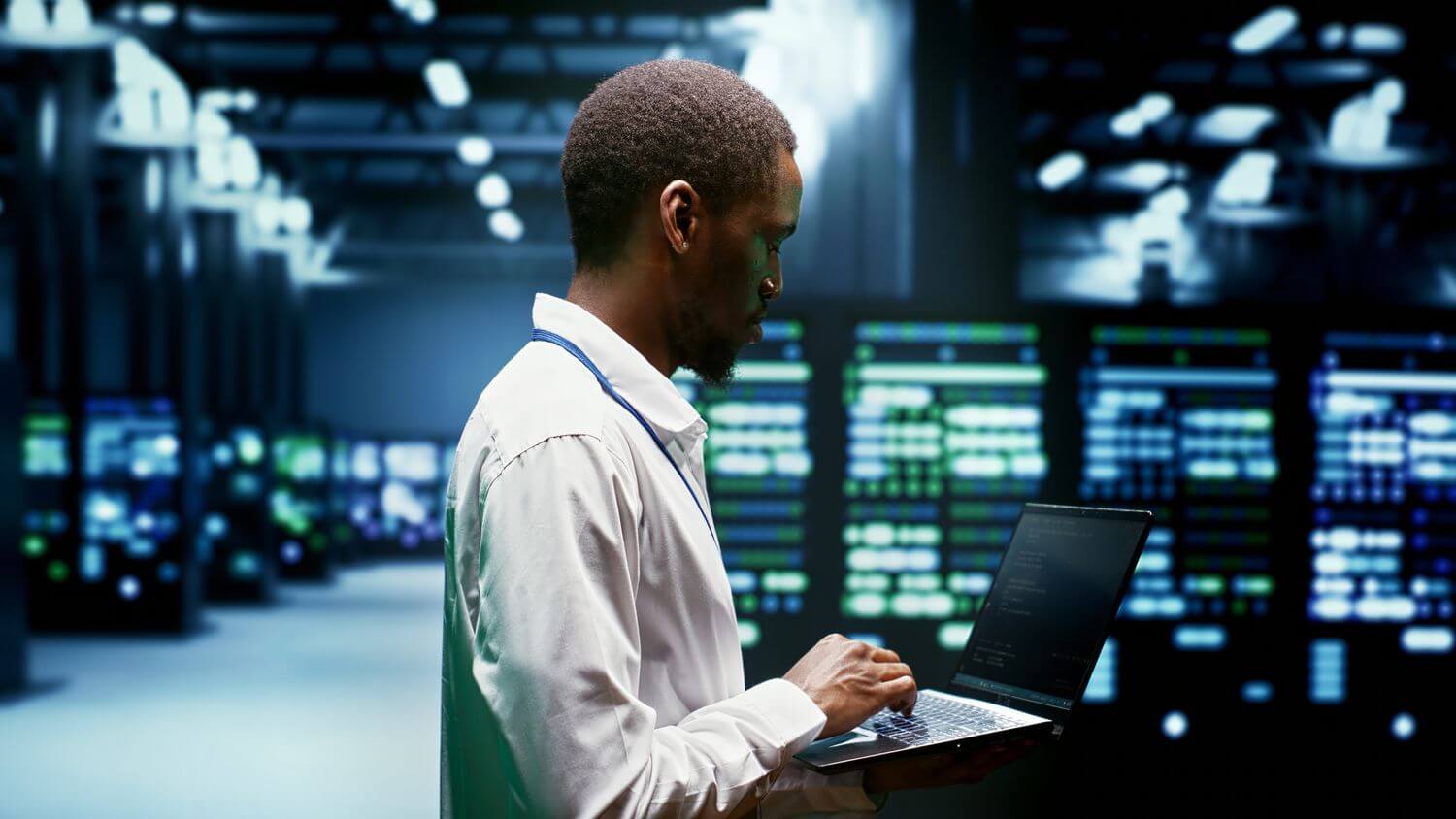
Bitcoin miners have one of the most crucial roles in the entire cryptocurrency ecosystem. There wouldn’t be Bitcoin without miners, and the network could not exist, let alone operate, without them. The concept of mining might seem technical or confusing. The reality is that the idea behind it is pretty straightforward once you break it down into manageable bites. This explainer breaks down what Bitcoin miners do, why mining is important, how the process works, and what beginners should know before starting.
What Is Bitcoin Mining
Bitcoin mining is the process of validating transactions on the Bitcoin network. When one person or entity sends Bitcoin to another, information about the transaction needs to be confirmed and then added to a public ledger called the blockchain. This work is performed by miners who use powerful computers to solve complex math problems. The block of transactions is then transmitted to the entire network, and other miners enter into a race.
It’s this process that helps to secure the network and stops double-spending. It pays miners with newly created Bitcoin. This reward encourages miners to continue to support the network and keep it running in order.
Why Bitcoin Miners Are Important
Bitcoin has no central authority. No central bank, no company has control of the protocol. Instead, the network relies on thousands of miners stationed around the world. They create trust and transparency by confirming each transaction.
Miners secure Bitcoin; they use a lot of computing power to do so. This makes it extremely difficult for anyone to hack the system. To alter or fake a transaction, somebody would have to wield more computing power than the entirety of the rest of the network. This is virtually impossible and secures the system against attack.
How Bitcoin Mining Works
Mining may seem like a complex undertaking, but the concept is easily broken down into simple pieces.
Step 1: Transactions come into the network
You send Bitcoin to other people. These transfers are grouped in a block.
Step 2: Miners try to solve a puzzle
The miners process transactions into “blocks” using computers that consume enormous amounts of energy.
Each miner is attempting to solve a tough computational problem. The computer that solves it first earns the right to add the block to the blockchain.
Step 3: The block is added
Once solved, the block is added to the chain. It is not modifiable or deletable.
Step 4: The miner gets rewarded.
The miner who wins receives brand new bitcoins and the fees from the transaction.
The whole process repeats approximately every ten minutes.
Bitcoin Miners – What Are They? And what are Bitcoin miners doing?
Mining requires strong hardware. Back in the old days, people were able to mine on ordinary computers. As Bitcoin expanded, so did the mining difficulty. Miners today use special devices, called ASIC miners. ASIC is an abbreviation of Application Specific Integrated Circuit. These machines are built specifically for mining Bitcoin. They operate more quickly and more energy efficiently than typical computers or graphics cards.
Popular brands are machines made by Bitmain, Whatsminer, and other manufacturers. The devices can be costly, but they are strong enough to effectively compete on the worldwide network of miners.
The Cost of Bitcoin Mining
Mining can be lucrative, but it incurs costs. The highest cost is electricity. Mining machines are running all day and use a lot of electricity. Electricity cost in your part of the world, which can make a difference between profitable and non-profitable mining.
Other costs include:
Hardware purchase
Cooling systems
Maintenance and repairs
Noise management
Space for the equipment
Miners often seek out sites with cheap electrical deals to save on costs. Some even rely on solar or other renewable energy sources to operate their equipment.
Mining Pools and the Reason Behind It. Mining has the intention of paying money in some way or the other.
Minig alone is already very, very hard since exactly one miner wins each block. The odds are not in your favor unless you have a very large mining operation. To increase their odds, many miners also join mining pools.
Pool of miners: A pool is a group of miners who pool their computing resources. When the pool successfully mines a block, that reward is split up among all members depending on how much mining power each member has contributed. It may be more regular earnings than mining alone.
The Future of Bitcoin Mining
Bitcoin mining keeps evolving. The block reward is cut in half every four years, in a phenomenon called the halving. This makes mining more difficult and less rewarding. For its part, Bitcoin can also rise or fall in value, and, as a result, so can mining profits.
Researchers are also working on making mining more environmentally friendly and energy-efficient. Author’s Correction Advertisement: Many miners are already trying to minimize their costs with renewable power and other efforts to reduce their impact on the environment.
Mining is still very much core to how Bitcoin operates, too. It also extends the network, beefs up security, and assists with preserving the decentralization of Bitcoin.
Would Bitcoin Mining Be a Good Beginning for a Novice?
Mining may look cool to newbies, but you’ll need a plan. New miners need to be aware of the risks — and costs. Mining is not just a matter of buying and switching on a machine. It requires technical expertise, financial planning, and careful setup.
Someplace to get startedOff the top of your head, here are some tips for beginners: If you’re getting started in cybersecurity, here are the beginner questions to consider.
Do they have cheap electricity in your location?
Can they parbykontakte with heat and noise?
Can they handle hardware issues?s
Do they understand mining pools
Are they long-term Investable?
Newcomers who learn the basics and begin modestly can acquire experience without incurring outsized risks.
Cocnlusion
They’re the guys who are actually keeping the network alive and secure, the bitcoin miners. They verify transactions, prevent the system from being attacked, and add new blocks to the chain. But, as advanced as the practice of mining has become, there is still a simple principle involved. Miners use the power of computing to win rewards by solving puzzles. Before jumping in, people interested in mining should research the costs and the tools needed to mine, as well as the environmental consequences.
FAQs About Bitcoin Miners
Is it possible to do Bitcoin mining on your normal computer?
No, you can’t – the difficulty level is very high, and mining requires expensive ASIC equipment nowadays.
What is an ASIC miner?
It’s a specialized machine created exclusively for one thing: mining Bitcoin. It is far, far more efficient than conventional computers.
Can I get started mining?
They can, but they should weigh the cost of electricity, heat, and noise. It is better to begin small and learn as you go.
Is mining still profitable?
This depends on the price of electricity, the equipment you use for mining, the price of Bitcoin itself, and which mining pool you belong to.
What will unfold when Bitcoin enters the next halving?
The reward becomes smaller. Miners then rely more on transaction fees and the growth of Bitcoin over the long term.