
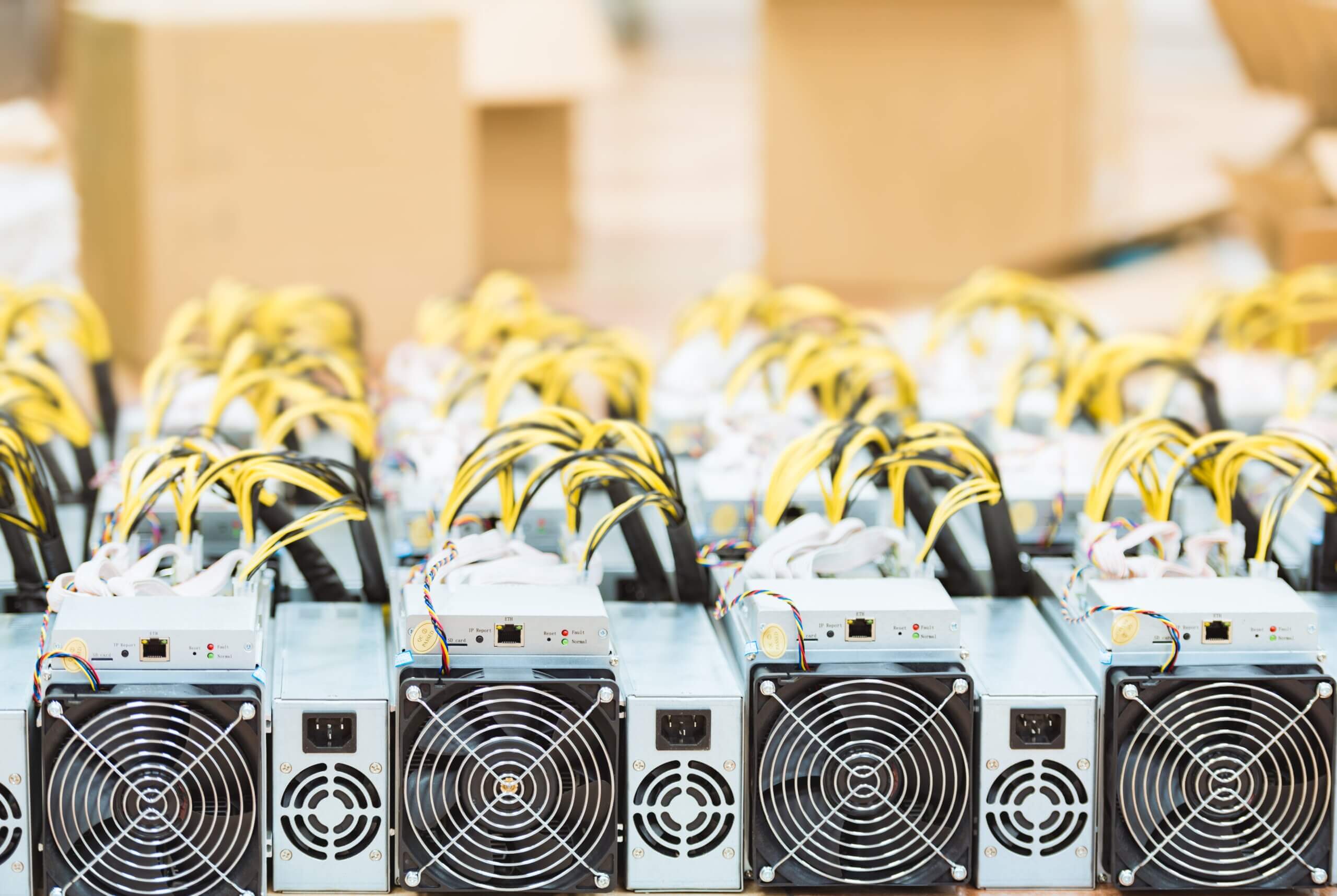
ASIC mining uses specialized computer chips designed to perform a particular cryptocurrency mining algorithm efficiently. For Bitcoin, ASIC miners are built to perform SHA-256 hashing at extremely high speeds. Compared with general-purpose CPUs and GPUs, ASICs offer much greater algorithm-specific performance and efficiency, making them the standard hardware for competitive Bitcoin mining.
Choosing an ASIC, however, is about more than buying the machine with the highest hash rate. Electricity consumption, energy efficiency, cooling, purchase price, reliability and expected operating conditions all influence the economics of ASIC mining.
What Is an ASIC Miner?
ASIC means Application-Specific Integrated Circuit.
An ASIC miner is hardware designed for a specific computational task.
In cryptocurrency mining, the chip is engineered to perform the calculations required by a particular mining algorithm.
Bitcoin ASICs are designed for SHA-256.
This specialization provides substantial performance advantages compared with general-purpose computing hardware.
How Does ASIC Mining Work?
An ASIC miner continuously performs hashing calculations.
For Bitcoin, the machine attempts SHA-256 calculations to find a valid result under the network’s proof-of-work requirements.
The ASIC doesn’t “solve” transactions individually. Instead, it performs the computational work required to compete for valid block production.
The process can be summarized as:
ASIC hardware → hashing calculations → valid proof of work → block production → applicable mining reward
ASIC vs CPU vs GPU Mining
CPU Mining
CPUs are general-purpose processors.
They can perform many types of tasks but aren’t designed for highly specialized mining workloads at competitive scale.
GPU Mining
GPUs can perform parallel computations and have historically been used for various cryptocurrency algorithms.
They are more flexible than ASICs.
ASIC Mining
ASICs are designed around a specific algorithm.
This specialization provides:
- Higher algorithm-specific performance
- Better energy efficiency
- Higher mining throughput
- Purpose-built hardware
The disadvantage is reduced flexibility.
If an ASIC is designed for one algorithm, it generally cannot simply be redirected to another algorithm that requires fundamentally different computations.
What Is ASIC Hash Rate?
Hash rate represents how much hashing work an ASIC performs.
For Bitcoin miners, hash rate is commonly measured in:
TH/s — terahashes per second
A higher hash rate increases the amount of computational work your machine contributes to the network.
However, hash rate should never be evaluated in isolation.
Consider:
Hash rate + efficiency + electricity cost + hardware price
What Is ASIC Energy Efficiency?
Energy efficiency measures how much electricity is required to perform a specific amount of computational work.
Bitcoin ASIC efficiency is often expressed as:
J/TH — joules per terahash
Lower efficiency numbers generally indicate better energy performance.
This matters because electricity is a continuous operating expense.
A miner that is cheaper to purchase but significantly less efficient may become more expensive to operate over time.
How to Choose an ASIC Miner
Use these criteria:
1. Algorithm compatibility
Confirm the miner supports the cryptocurrency you intend to mine.
2. Hash rate
Compare computational performance.
3. Energy efficiency
Check the J/TH specification where applicable.
4. Power consumption
Determine whether your electrical infrastructure can safely support the miner.
5. Cooling
Check whether the machine requires high airflow, specialized cooling or a professional facility.
6. Noise
High-performance air-cooled ASICs can generate substantial noise.
7. Purchase price
Compare the upfront investment against expected operating economics.
8. Warranty and support
Reliable after-sales support can reduce downtime.
Bitcoin Miners AE’s current product catalog includes multiple Antminer and Whatsminer models with different hash rates, power requirements and efficiency specifications.
Air-Cooled vs Hydro-Cooled ASIC Miners
Cooling is a major part of ASIC mining infrastructure.
Air-Cooled ASICs
Air-cooled machines use fans and airflow to move heat away from the hardware.
They are generally simpler to deploy but require strong ventilation.
Hydro-Cooled ASICs
Hydro-cooled systems use liquid-based heat transfer to manage operating temperatures.
They can provide advantages for high-density mining environments, particularly where heat management and efficiency are important.
The right cooling method depends on:
- Miner model
- Facility design
- Climate
- Power density
- Noise requirements
- Budget
ASIC Mining Electricity Requirements
ASIC miners can consume substantial electricity continuously.
Before purchasing equipment, calculate:
Daily energy use = Power consumption in kW × 24
Then:
Daily electricity cost = Daily energy use × electricity rate
For example, a 3 kW ASIC operating continuously consumes approximately:
3 × 24 = 72 kWh per day
Actual costs depend on the electricity tariff and operating conditions.
ASIC Mining Profitability
ASIC profitability depends on multiple variables.
Key factors include:
- Hash rate
- Energy efficiency
- Electricity cost
- Bitcoin price
- Network difficulty
- Pool fees
- Hardware purchase price
- Cooling cost
- Hosting cost
- Maintenance
- Downtime
A profitable-looking machine can become uneconomical if electricity costs are too high.
Conversely, highly efficient hardware can perform better when operated under competitive energy conditions.
Should You Mine at Home With an ASIC?
Home ASIC mining is possible, but high-performance equipment may not be ideal for a residential environment.
Potential challenges include:
- High noise
- Heat output
- Electricity demand
- Ventilation
- Electrical load
- Continuous operation
Before installing an ASIC at home, confirm that your infrastructure can safely handle its requirements.
ASIC Mining Hosting
Hosting provides an alternative to operating ASICs yourself.
Instead of building your own mining environment, you place the hardware in a professional facility.
Potential benefits include:
- Dedicated power infrastructure
- Cooling
- Monitoring
- Maintenance
- Reduced home noise
- Easier scaling
ASIC Maintenance
ASICs operate continuously, so preventive maintenance is important.
Monitor:
- Temperature
- Hash boards
- Fans or cooling systems
- Power supply
- Network connection
- Hash rate
- Hardware errors
Keep the mining environment clean and address unusual performance changes quickly.
Even short periods of downtime can affect expected mining output.
Common ASIC Mining Mistakes
Avoid:
- Buying only because a miner has high TH/s
- Ignoring J/TH
- Forgetting electricity costs
- Installing equipment without adequate cooling
- Ignoring noise
- Neglecting maintenance
- Assuming fixed profitability
- Choosing unsupported hardware
- Failing to calculate ROI
Is ASIC Mining Worth It?
ASIC mining can be worthwhile for operators who have efficient hardware, suitable infrastructure and competitive operating costs.
The decision should be based on a complete profitability calculation rather than a single specification.
Before buying, compare:
Expected mining revenue − electricity − hosting − pool fees − maintenance − other costs
Then compare the estimated operating result against the initial hardware investment.
FAQs
What does ASIC stand for?
ASIC stands for Application-Specific Integrated Circuit.
What is an ASIC miner used for?
An ASIC miner is specialized hardware used to perform the computational work required by a particular cryptocurrency mining algorithm.
Is ASIC mining better than GPU mining?
For algorithms designed for ASICs, ASICs generally provide substantially better specialized performance and energy efficiency. GPUs remain more flexible.
What is the best ASIC miner?
There isn’t one universal best ASIC. The right choice depends on hash rate, efficiency, electricity cost, budget, cooling and mining objectives.
What does J/TH mean?
J/TH means joules per terahash and is a common measure of Bitcoin ASIC energy efficiency.
Are ASIC miners noisy?
Many high-performance air-cooled ASICs produce considerable noise because their cooling systems move large volumes of air.
Can ASIC miners be used at home?
Yes, but you must consider electricity, cooling, ventilation, noise and electrical safety.
Can ASIC mining be profitable?
It can be, but profitability depends on hardware efficiency, electricity cost, Bitcoin price, network difficulty, pool fees and other operating expenses.
How long does an ASIC miner last?
Operational lifespan varies according to model, workload, environmental conditions, maintenance and technological changes. An older ASIC may also become economically less competitive before it physically fails.